How a foam roof is built
Spray polyurethane foam goes on as a liquid and rises as it cures. The crew then covers it with elastomeric coatings, usually a gray base coat and a white top coat (Roofing Survival Guide). The foam is the insulation and the waterproof layer. The coating protects the foam from sunlight.
Why Eichler owners pick it
- Insulation in the same layer. Eichlers have no attic, so insulation has to go on top of the deck. Foam is R-5.8 to R-6.9 per inch (SPFA), which helps meet the R-14 requirement in climate zones 2, 4 and 12 without a separate board layer.
- No seams. The foam is one continuous surface, including around skylights and vents.
- Slope correction. Installers can build foam up in low spots to move water toward drains.
- Usually no tear-off. Foam can go over most existing roofs in sound condition (Roofing Survival Guide).
- Cool roof compliance. A white coating is what makes foam reflective. Ask for a coating that's rated by the Cool Roof Rating Council to the numbers your zone needs. Climate zones.
The tradeoffs
- Recoating. The coating wears. Plan on recoating at least once in the roof's life, usually 5 to 10 years after install, per the installers the Eichler Network interviewed (Lost in the Dark No More). Recoating guide.
- Overspray. A built-up roofer warned Eichler Network readers that overspray onto windows, fences and courtyards is a real risk to plan for (Roofing Survival Guide). Ask how the crew will mask and what happens if something gets hit.
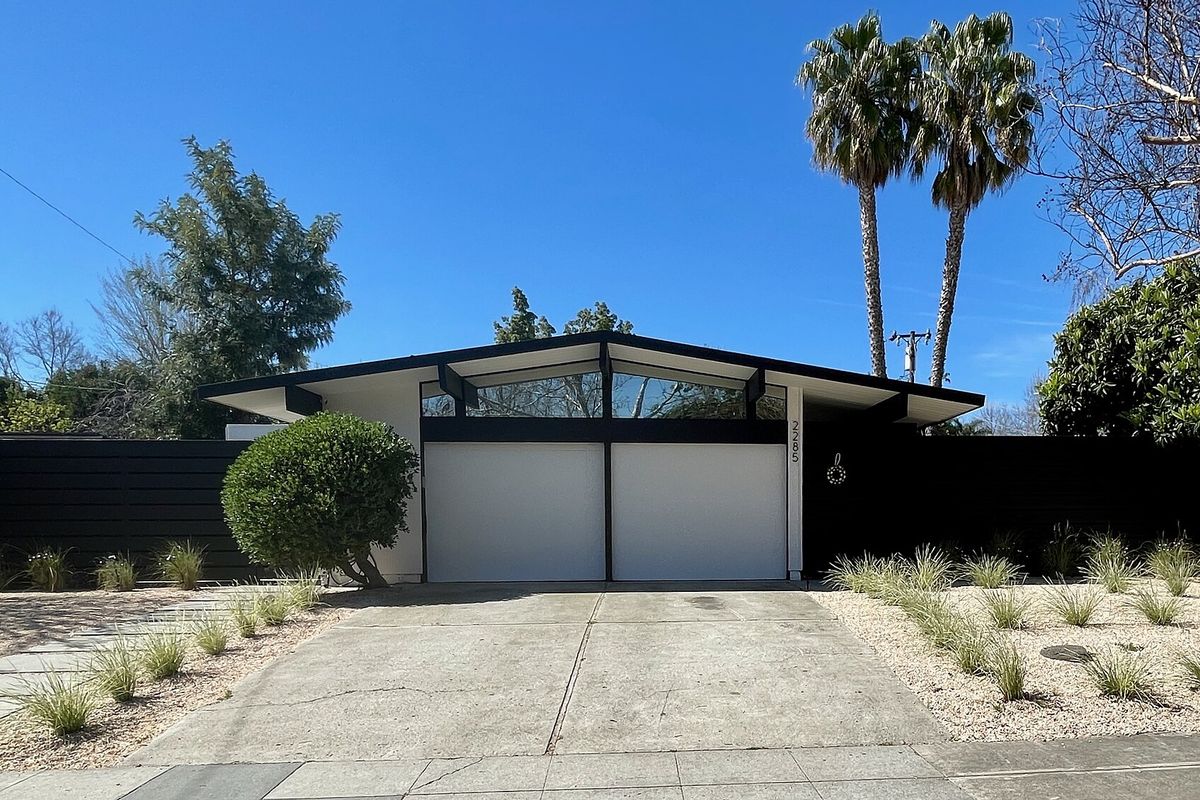
- The look. A white foam roof is visible from hillside streets above, and the Eichler Network notes a white roof can bother neighbors (Eichler Network).
- Edge height. Thicker foam raises the roof edge. Ask to see how the gravel stop and fascia will look. In San Rafael's Eichler overlay, raising a roof structure more than 6 inches triggers design review (SRMC 14.14).
Questions to ask a foam roofer
- How thick will the foam be at the edges and in the field, and what R-value does that give?
- Which coating, and what are its aged reflectance and emittance ratings?
- Will you overlay or tear off, and why?
- When should I recoat, and is a recoat included in the warranty terms?
- How will you protect windows, cars and the yard from overspray?
Every roofer we work with is licensed and insured.
Book a free roof inspectionFrequently asked questions
How much insulation does foam add?
Closed-cell spray foam rates about R-5.8 to R-6.9 per inch (SPFA). By that math, R-14 takes a little over 2 inches.
How long does a foam roof last?
The Spray Polyurethane Foam Alliance says a foam roof that's regularly inspected and recoated every 5 to 20 years can last the life of the building (SPFA). Eichler sources put the first recoat at 5 to 10 years (Roofing Survival Guide).
Can foam go over my tar and gravel roof?
Often, if the old roof is sound and dry. If there are several old layers, removing some or all of them is recommended (Roofing Survival Guide), and code doesn't allow a new roof over two or more existing layers (CRC R908).
Sources
- Eichler Network: Roofing Survival Guide
- Spray Polyurethane Foam Alliance (SPFA): FAQs
- Eichler Network: Lost in the Dark No More (reroofing systems and installers)
- Eichler Network: Roof Insulation
- San Rafael Municipal Code ch. 14.14: Eichler and Alliance Homes overlay
- 2025 California Residential Code R908 Reroofing (GoCodebook mirror)
Sources reviewed November 17, 2026. Confirm permits, design rules and requirements with your contractor and your city or county. This page is general information, not legal or insurance advice.